
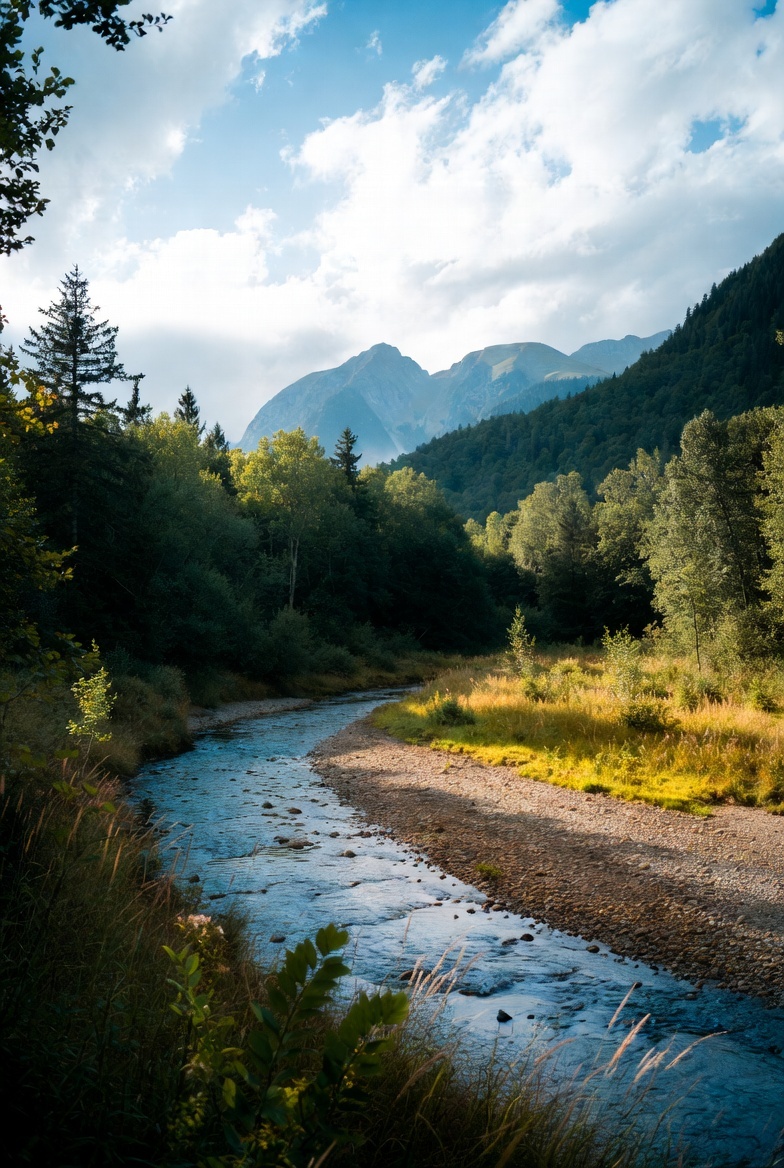
Step 1: Choosing the Right Nature Reserve
Picking the perfect nature reserve sets the tone for an affordable and enriching trip. Here’s what you should consider to find the best spot that fits your budget and adventure style:
Key Factors to Think About
- Biodiversity: Look for reserves known for diverse wildlife and plant life. This makes your experience richer, whether you’re birdwatching or spotting rare animals.
- Accessibility: Choose places easy to reach without breaking the bank. Think about how you’ll get there and whether local transport options exist.
- Crowd Levels: Off-the-beaten-path reserves mean fewer people, better wildlife sightings, and often lower costs.
- Entry Fees: Some parks charge high entrance or permit fees, while others offer free or low-cost admission, especially on special days.
Affordable vs. Premium Destinations
While iconic luxury safaris and famous reserves can be breathtaking, they often come with premium prices. If you’re aiming for budget nature travel tips, focus on lesser-known or underrated spots that deliver incredible nature experiences without the hefty price tag.
Top Budget-Friendly Nature Reserves to Consider
-
United States:
- Congaree National Park (South Carolina): Famous for old-growth forests and easy hiking trails that won’t cost a dime beyond the entry fee.
- Great Smoky Mountains National Park (Tennessee/North Carolina): Known for diverse wildlife and free entry—the perfect mix for cheap wildlife viewing and scenic hikes.
-
International Options:
- Yasuni National Park, Ecuador: A hidden gem for rainforest lovers, offering rich biodiversity and affordable guided tours.
- Costa Rica’s Reserves (like Corcovado or Monteverde): World-class birdwatching and eco-friendly outdoor adventures with reasonable prices.
How to Research Hidden Gem Reserves
Finding affordable national parks or nature reserves starts with good info:
- Check official park websites for accurate details on fees, access, and free entry days.
- Use travel forums and review sites to uncover lesser-known spots with glowing user feedback.
- Look for “off-season” or “shoulder season” tips that locals recommend to avoid crowds and save money.
Choosing the right nature reserve doesn’t have to be overwhelming. With a little research and a focus on biodiversity, accessibility, and budget-friendly options, you’ll discover the perfect place for your affordable, wildlife-filled adventure.
Step 2: Timing Your Trip for Maximum Savings and Experience
Choosing the right time to visit a nature reserve can make a big difference in both your budget and overall experience. Traveling during the off-peak or off-season often means lower entry fees, cheaper accommodation, and fewer crowds, which can translate to better wildlife viewing opportunities. Many animals are more active when fewer visitors are around, giving you a richer encounter with nature.
Shoulder seasons — the periods just before or after the peak tourist months — offer a good balance. You’ll still get decent weather and active wildlife, but at a fraction of the cost compared to the high season. However, be prepared for possible unpredictable weather or limited services during these times.
Avoiding the high-season pitfalls is key to affordable national parks trips. During peak times, prices for permits, lodgings, and tours often skyrocket. If you can’t visit off-season, look for special offers like park discount days or flexible booking options.
By carefully planning when to go, you can enjoy cheap wildlife viewing and more peaceful, memorable moments without breaking the bank.
For more insights on smart timing and nature trips, check out this helpful guide on budget nature travel tips.
Step 3: Budgeting Essentials
When planning an affordable and enriching nature reserve trip, understanding the typical costs is crucial. Your budget will mainly cover transportation, entry fees, accommodation, food, and activities.
- Transportation might include gas for road trips, budget flights, or public transport fares.
- Entry fees vary widely—from free access days to affordable national parks with modest charges.
- Accommodation expenses depend on your choices, from camping spots to budget hostels or occasional eco-lodges.
- Food can be managed with grocery store stops or cooking your own meals.
- Activities like guided tours or park programs might have extra costs but often offer discounts for groups or during off-peak times.
A realistic budget for a week-long nature reserve visit can range from $500 to $1500 per person, depending on the destination and your travel style. Planning ahead helps avoid surprise expenses while enabling a richer experience.
To save more, use tools such as annual park passes or take advantage of free admission days offered by many reserves. These passes often unlock multiple parks at a fraction of the regular entry costs, perfect for those keen on exploring several sites. Checking official park websites and user reviews can reveal such money-saving opportunities.
For detailed packing and travel tools that can help reduce costs, consider looking into a travelers’ toolkit with essential items.
Budget nature travel tips like these ensure your trip stays affordable without missing out on the best wildlife viewing and low-cost hiking trails, making your nature reserve adventure both economical and memorable.
Step 4: Getting There Affordably
When planning an affordable nature reserve trip, transportation plays a big role in your budget. Driving yourself or taking a road trip can often be the cheapest and most flexible option, especially if you\’re visiting nearby or regional reserves. It lets you explore at your own pace and carry all your gear without extra fees.
For longer distances, look out for budget flights—booking in advance or using discount airlines can save a lot. If you’re near bigger cities, public transport like buses or trains can offer low-cost access to well-connected parks or nearby towns. Carpooling with other travelers is another smart way to cut costs and reduce your carbon footprint.
If you’re heading to remote nature reserves, check for shared shuttle services or local buses that link to nearby airports or towns. These options often cost less than private taxis and support local transport networks.
Choosing eco-friendly transport like trains or carpools doesn’t just stretch your budget—it also fits perfectly with sustainable wildlife trips and responsible eco-tourism principles. Planning these transport options carefully can make your trip both affordable and environmentally conscious.
For more travel tips on saving costs and staying safe on the road, see this guide on road trip safety tips.
Step 5: Accommodation Options That Keep Costs Low
Keeping accommodation costs down is key for affordable nature travel. Here are smart options to consider:
| Option | Description | Pros | Cons |
|---|---|---|---|
| Camping in Nature Reserves | In-park campgrounds or dispersed camping on BLM land | Low cost, immersive experience | Must bring your own gear, weather-dependent |
| Free Boondocking | Camping on public land with no facilities | Zero cost, quiet & remote | Limited amenities, often no water |
| Hostels & Guesthouses | Budget stays near reserves | Affordable, social | Less privacy, may be basic |
| Eco-lodges & Homestays | Small-scale lodgings run by locals | Cultural experience, eco-friendly | Usually a bit pricier, limited availability |
Tips for Budget Accommodation:
- Camping: Many national parks offer campgrounds that range from $10–$30 per night. Dispersed camping on BLM land is often free but check local rules.
- Hostels & Guesthouses: Look for places near your reserve for cheaper rates than resorts or hotels.
- Eco-lodges: Great for supporting local communities while keeping costs moderate.
- When to splurge: Consider spending one night in a lodge or eco-lodge to recharge and enjoy some comforts without blowing your budget.
This mix of camping, budget stays, and occasional splurges is a winning way to balance savings with a rich nature reserve experience.
For more affordable national parks ideas and travel tips, check out budget nature travel tips in North America.
Step 6: Activities and Experiences for Enrichment
When planning an affordable nature reserve trip, focus on free or low-cost activities that deepen your connection with the environment. Popular options include hiking trails, birdwatching, self-guided nature walks, and enjoying quiet picnic spots. These low-cost hiking trails and self-guided tours offer peace and access to wildlife without adding to your expenses.
If you want a guided experience without breaking the bank, consider joining group tours, hiring local guides, or participating in volunteer programs. These options often provide richer insights into the area’s biodiversity while supporting the local community.
To make your trip truly enriching, bring along essentials like a good pair of binoculars for wildlife spotting, a camera for nature photography, and a journal to record observations or sketch. Engaging in conservation activities or citizen science projects offered by some reserves can also add meaningful purpose to your visit.
Always practice sustainable travel: follow Leave No Trace principles, avoid disturbing wildlife, and buy from local vendors to help the communities that depend on eco-tourism. For more ideas on responsible outdoor adventures that protect nature, check out this guide on enjoying a greener trip with eco-conscious choices.
Step 7: Food and Daily Essentials on a Budget
When planning an affordable nature reserve trip, handling your meals smartly can save big. Pack a cooler and a portable stove to prepare simple hot meals, especially if you’re camping or staying in self-catering accommodations. Make a grocery stop at local markets for fresh, affordable ingredients rather than eating out, which can quickly add up.
For meals on the go, picnics are ideal—grab easy-to-carry snacks like fruits, nuts, and sandwiches so you can enjoy low-cost dining surrounded by nature. Many nature reserves have scenic picnic spots that make meals feel special without extra price tags.
When it comes to gear, consider renting items like binoculars or compact camping cook sets instead of buying expensive gear you’ll only use once. Invest in reusable essentials like water bottles to stay hydrated sustainably and avoid constant purchases. These little savings add up for a budget-friendly and eco-conscious outdoor adventure.
For more tips on gear and practical essentials, check out advice on reliable women’s waterproof footwear to stay comfortable on unpredictable trails.
By planning your food and gear wisely, you’ll keep your nature trip enriching without stretching your budget.
Step 8: Packing List and Preparation Tips
Packing smart is key to an affordable nature reserve trip that’s both safe and comfortable. Start with layered clothing — mornings can be chilly, but afternoons warm up fast. Don’t forget sturdy shoes suitable for low-cost hiking trails and rough terrain. A basic first aid kit and insect repellent are must-haves to handle minor scrapes and pesky bugs.
To save money, consider sourcing gear from rentals, second-hand shops, or investing in multi-use items like a good-quality reusable water bottle or a compact rain jacket. These choices cut down costs while packing light.
Before you go, make sure you have any needed permits sorted out to avoid fines or last-minute fees. Check the weather forecast and prepare accordingly — waterproofs for rainy seasons or sun protection for hotter climates. Always respect local wildlife etiquette to keep your trip responsible and safe.
For extra efficiency and comfort on your trip, you might find useful tips in this guide on packing smart for nature travel.
Step 9: Sustainable and Responsible Travel Practices
When planning an affordable nature reserve trip, keeping it sustainable makes your experience richer and helps protect the places you visit. Minimizing your impact is key—choose eco-friendly options like using refillable water bottles, sticking to marked trails, and following Leave No Trace principles. This not only preserves the environment but also encourages genuine wildlife encounters and peaceful hikes on low-cost trails.
Supporting conservation efforts is just as important. Look for ethical operators who prioritize local communities and habitats, and consider donating to park foundations or joining volunteer programs when possible. These small actions help ensure that nature reserves remain protected and accessible for future budget nature travelers.
Remember, affordable trips can have long-term benefits—by traveling responsibly, your visits contribute to preserving biodiversity and sustainable wildlife trips. This cycle supports hidden gem reserves and helps spread awareness about responsible eco-tourism.
For more on ethical travel and conservation-focused trips, you might also explore sustainable travel options in South Africa’s wildlife reserves, offering both affordable and enriching experiences.