
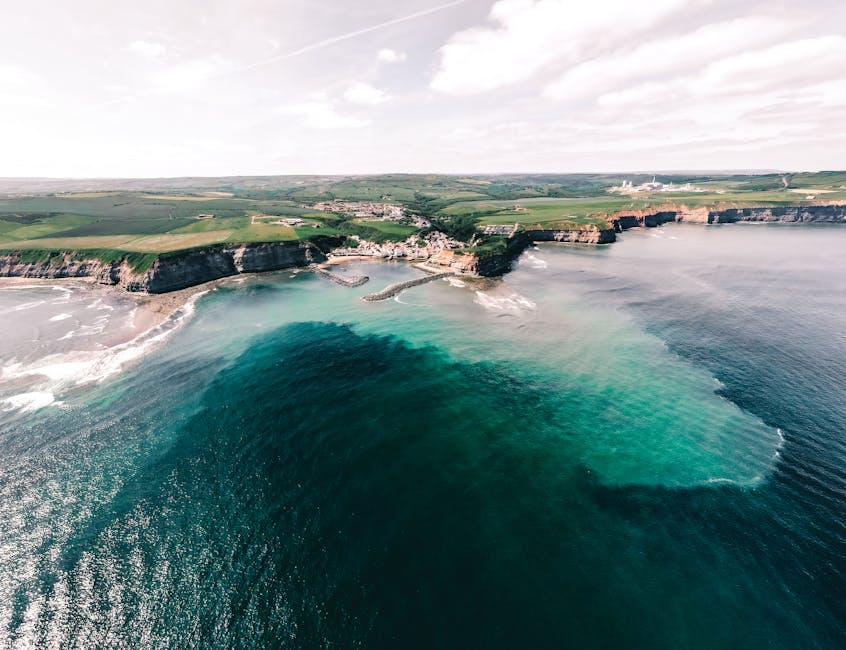
You’ve dreamt of sweeping Dales landscapes, cozy pub nights, and crisp morning walks. But then you hit the hotel booking sites. A sea of “charming” and “idyllic” options, vague descriptions, and conflicting reviews turn dream planning into a headache. How do you cut through the marketing noise and guarantee a genuinely good stay without wasting hours, or worse, your precious holiday time?
Pinpointing Your Dales Vibe: Town vs. Remote Haven
Your first decision sets the tone for your entire Dales experience: do you want the convenience of a market town or the utter tranquility of a remote hideaway? Each offers a distinct flavor, and knowing your preference upfront saves significant searching. It’s not just about scenery; it’s about access to amenities, dining, and even mobile signal.
The Market Town Advantage: Richmond or Grassington?
Staying in a market town like Richmond, Grassington, or Hawes puts you right in the thick of things. You get immediate access to pubs, small shops, and often, bus routes for car-free exploration. For example, Grassington, a vibrant hub, offers several pubs like The Devonshire Arms and independent cafes within a five-minute walk. You’re never far from a meal or a friendly face. This setup is ideal if you value convenience, enjoy browsing local crafts, or prefer having multiple dining options at your doorstep without needing to drive. Expect more ambient noise than a secluded spot, especially on busy weekends. Parking can also be a challenge in peak season; many hotels offer limited spaces, or you’ll rely on public car parks that might cost around £6 for a full day.
Secluded Retreats: Best for Peace and Quiet
If your Dales dream involves waking to birdsong and nothing else, a hotel or B&B tucked away in a smaller hamlet or truly rural location is your best bet. Think places near Malham Cove, or deep within Swaledale. Here, the immediate surroundings are often just fields, dry stone walls, and endless views. Hotels like The Angel at Hetton (while offering exquisite dining, it’s in a small village) or even a remote guesthouse near Muker, provide unparalleled peace. The trade-off? You’ll almost certainly need a car. Dining options will be limited, possibly to the hotel’s own restaurant or a single nearby pub. Internet connectivity might also be slower, often relying on satellite or less robust broadband infrastructure, which can be a concern if you need to stay connected for work or streaming.
Practical Considerations: Access and Amenities
Beyond the atmosphere, consider practicalities. How far are you willing to drive for dinner? Do you want to walk from your door onto a major trail, or are you happy to drive to trailheads? Check the hotel’s proximity to specific attractions you plan to visit. If you’re relying on public transport, ensure there’s a bus stop nearby and verify schedules – Dales bus services can be infrequent, especially on Sundays. Confirm if the hotel offers facilities like laundry (useful after muddy walks), secure bike storage, or packed lunches. These small details can significantly enhance your stay, especially if you’re planning an active trip.
Non-Negotiables for Your Dales Stay

Before you even look at specific hotels, define your absolute must-haves. These are the deal-breakers that make or break your trip. Don’t compromise on these; a seemingly good deal quickly sours if it lacks a fundamental requirement. Your Dales trip deserves comfort and functionality.
-
Essential In-Room Comforts
A good night’s sleep is after a day of hiking. Prioritize a comfortable bed with good quality linens. Check recent reviews for mentions of bed comfort and room temperature control. Many older Dales properties can be drafty or have inadequate heating. Does the room include a decent shower with strong water pressure and consistent hot water? Nothing ruins a post-hike refresh like a trickling cold shower. Look for amenities like a kettle, tea/coffee supplies, and preferably a small fridge for milk or snacks. Good lighting, especially for reading, is often overlooked but essential. A reliable hairdryer is also a common guest expectation. If you are particular about pillows, some hotels offer a pillow menu, which is a definite bonus. Ensure adequate soundproofing; old buildings can be charming but also thin-walled, so check if reviews mention noise from adjacent rooms or common areas.
-
Dining and Drink Options
Many Dales hotels pride themselves on their food, often featuring local produce. If dining in is important, check menu samples online. Look for diverse options, not just one fixed-price dinner menu every night. Verify breakfast offerings: is it a full English, continental, or both? Are there options for dietary requirements like vegetarian, vegan, or gluten-free? A well-stocked bar with local ales or a cozy lounge area for a pre-dinner drink or evening coffee adds significantly to the experience. Some hotels even offer afternoon tea services, which can be a delightful treat. If you plan to eat out, confirm restaurant operating hours; many smaller establishments in the Dales close early or have specific opening days.
-
Parking and EV Charging
Most visitors to the Dales travel by car. Adequate, secure parking is crucial. Don’t assume it’s included; verify directly with the hotel. Some offer on-site parking, others rely on street parking or nearby public car parks. Ask about any associated fees. If you drive an electric vehicle, finding reliable charging points is non-negotiable. Many Dales towns have public charging stations, but they can be busy. Hotels offering dedicated EV charging (e.g., a 7kW Type 2 charger) provide immense convenience. Enquire about the type of charger, cost (some are free for guests, others charge per kWh, typically £0.40-£0.60/kWh), and availability. Booking a hotel with this facility can save you significant hassle and range anxiety during your trip.
The Best Value Hotels in the Yorkshire Dales
Finding a hotel that balances cost with quality in the Dales can be tricky. You want comfort and character without overpaying. Here’s a breakdown of options, from budget-friendly gems to luxury splurges, focusing on value for money at each tier. Remember, “value” doesn’t always mean cheap; it means getting what you pay for, and often more.
Budget-Friendly Gems
For those seeking an authentic Dales experience without breaking the bank, consider traditional inns or quality B&Bs. Prices typically range from £80-£120 per night for a double room. These often offer simple but clean rooms, a hearty breakfast, and a lively pub atmosphere downstairs. Examples include The Fountaine Inn in Linton or some of the more established guesthouses in Hawes. You’re paying for location and a genuine local feel. Expect fewer frills, but usually a warm welcome and solid, traditional food. Confirm if breakfast is included in the rate. Some budget-friendly options might charge extra, typically £10-£15 per person.
Mid-Range Comforts
Step up to the £120-£200 per night bracket, and you’ll find boutique inns and smaller, well-regarded hotels that offer a significant upgrade in room decor, bathroom quality, and dining options. These often balance traditional charm with modern comforts. The Gamekeeper’s Inn in Threshfield provides comfortable rooms, excellent food, and a swimming pool, offering great value for its price point. Another strong contender is The Boar’s Head in Ripley, offering a blend of history and contemporary comfort near Pateley Bridge. You’ll often find better Wi-Fi, more extensive breakfast options, and perhaps a small lounge or garden area. These hotels are often ideal for couples or small families looking for a comfortable base without the luxury price tag.
Luxury Splurges
When the budget allows, the Dales offers some truly exceptional luxury hotels, typically starting from £250-£400+ per night. These properties provide impeccable service, high-end amenities, and often stunning grounds. The Devonshire Arms Hotel & Spa at Bolton Abbey is a prime example, offering a full spa, fine dining, and beautifully appointed rooms in a grand setting. Another top choice is Grantley Hall, though technically just outside the Dales near Ripon, it exemplifies Dales luxury with its multiple restaurants, extensive spa, and lavish interiors. Expect crisp Egyptian cotton sheets, Molton Brown toiletries, turndown service, and potentially Michelin-starred dining. These are for special occasions, or when you simply want to indulge in the finest hospitality the region has to offer. Prices will vary significantly with room type and season.
| Hotel Category | Typical Price Range (Double, per night) | Key Features | Best For |
|---|---|---|---|
| Budget-Friendly (e.g., The Fountaine Inn) | £80 – £120 | Traditional pub atmosphere, hearty breakfast, basic but clean rooms, central village location. | Hikers, budget-conscious travellers, local immersion. |
| Mid-Range (e.g., The Gamekeeper’s Inn) | £120 – £200 | Comfortable rooms, good dining, some amenities (e.g., pool), blend of tradition and modern. | Couples, families, comfortable base, good value. |
| Luxury (e.g., The Devonshire Arms) | £250 – £400+ | Fine dining, spa facilities, exceptional service, grand settings, bespoke experiences. | Special occasions, indulgence, discerning travellers. |
What to Pack: Essential Gear for Dales Exploration

You can book the perfect hotel, but a Dales trip hinges on being prepared for the outdoors. My strong recommendation: Invest in quality gear upfront. It transforms a potentially miserable, wet walk into an enjoyable adventure. Trying to save money on crucial items like footwear often leads to discomfort and can cut short your exploration. A smart packing list ensures you get the most out of the stunning landscapes, no matter the weather.
Footwear and Outerwear Essentials
The Dales weather is famously unpredictable. You need waterproof, comfortable walking boots. Brands like Salomon (e.g., Quest 4D GTX) or Meindl (e.g., Bhutan MFS) are reliable choices, offering excellent ankle support and Gore-Tex waterproofing. Expect to pay £150-£250 for a good pair. Break them in before your trip! Alongside boots, pack a high-quality waterproof and windproof jacket. Brands such as Rab (e.g., Downpour Plus Jacket, around £120) or Berghaus are excellent. Don’t forget waterproof overtrousers (e.g., from Regatta, £40-£60) and multiple layers of breathable clothing, including thermal base layers, fleeces, and quick-drying shirts. Cotton is your enemy in wet weather.
Navigation and Power Solutions
While maps are great, a fully charged phone is also your navigation tool. A reliable portable power bank is non-negotiable. The Anker PowerCore 20000mAh (around £40) can recharge most smartphones 4-5 times, ensuring your maps, camera, and communication stay active. Remember to pack a physical map (Ordnance Survey Explorer maps, typically £9) and a compass, even if you rely on GPS. Mobile signal can be patchy, especially in remote valleys. For serious trekkers, a satellite communicator like the Garmin inReach Mini 2 (around £350 plus subscription) offers emergency SOS and two-way messaging outside mobile range, providing peace of mind in very secluded areas.
Personal Comfort and Safety
Beyond the basics, think about personal comfort. A small, lightweight daypack (e.g., Osprey Talon 22, £100-£120) for water, snacks, and extra layers is essential. Pack a small first-aid kit with blister plasters, pain relievers, and antiseptic wipes. A head torch (e.g., Petzl Actik Core, £60) is invaluable if you plan evening walks or get caught out after dark. Sun cream and insect repellent are also often necessary, even on cloudy days or in shaded, damp areas. Don’t forget a reusable water bottle; many Dales pubs and cafes are happy to refill it.
Decoding Hotel Wi-Fi and Connectivity Options
In today’s connected world, reliable internet is no longer a luxury but an expectation, even in a rural escape like the Yorkshire Dales. Understanding your connectivity options, both in your hotel and on the go, prevents frustration and ensures you can manage any essential tasks or simply unwind with your favourite streaming service.
Is Hotel Wi-Fi Reliable Enough for Remote Work?
Many Dales hotels offer complimentary Wi-Fi, but “free” doesn’t always mean “fast” or “reliable.” For casual browsing and email, most hotel Wi-Fi will suffice. However, if you plan to conduct video calls, upload large files, or stream high-definition content for remote work, you need to verify the speed and consistency. Contact the hotel directly and ask about their typical download and upload speeds. Some hotels might offer a premium paid Wi-Fi upgrade for more demanding users, typically £5-£10 per day for speeds of 20-50 Mbps. Be realistic about expectations; fiber broadband isn’t ubiquitous in all Dales villages. Always have a backup plan.
What Are Your Mobile Data Backup Options?
Mobile signal in the Dales can be highly variable, with some valleys being complete black spots for certain networks. Before you arrive, check network coverage maps for your specific provider (e.g., EE, Vodafone, O2, Three) in the exact locations you plan to visit. If coverage is poor, consider a cheap pay-as-you-go SIM from a network known for better rural coverage, or an eSIM provider like Airalo for temporary data plans. Another strategy is to tether from a travel companion’s phone if they have better signal. For critical connectivity, especially if you need to access online banking or sensitive information, remember that public Wi-Fi can be insecure. A Virtual Private Network (VPN) service (e.g., NordVPN or ExpressVPN, typically £5-£10 per month) provides an encrypted connection over public networks, protecting your data.
Should You Consider Travel Insurance for Devices?
While not directly about Wi-Fi, the value of your devices often makes them worth insuring. Dropping your phone on a rocky path or losing your laptop could significantly impact your trip and your wallet. Standard travel insurance policies (available from providers like Admiral, Axa, or Staysure) often include some level of gadget cover, typically up to £500-£1000 per item, with an excess of £50-£100. Check the policy’s specific terms for electronics, including coverage for theft, accidental damage, and loss. If you travel with expensive photography equipment or multiple devices, a specialist gadget insurance policy might be a better investment, offering higher limits and lower excesses, costing around £5-£15 per month depending on the value of your items. This financial safeguard ensures that unexpected tech mishaps don’t completely derail your Dales adventure.
Securing Your Booking: Payment and Cancellation Strategies
Booking a hotel, especially for a special trip, means entrusting your money and plans to a third party. Smart payment and cancellation strategies protect you from unexpected issues, whether it’s a sudden change of plans or a problem with the hotel itself. Don’t just click “book”; understand the fine print.
Credit Card vs. Debit Card: Which is Safer?
Always use a credit card for hotel bookings if possible. Credit cards offer significantly more consumer protection than debit cards, especially under Section 75 of the Consumer Credit Act in the UK. This means if something goes wrong with a purchase over £100 (e.g., the hotel closes down, or you’re charged for services not rendered), your credit card provider is jointly liable with the merchant. Debit card transactions do not have this statutory protection, leaving you more exposed if a dispute arises. Additionally, credit cards often come with fraud protection and may offer travel rewards or points, adding extra value to your booking. Check your card’s terms for any specific travel benefits or insurance included.
Understanding Cancellation Policies
Before you commit, scrutinize the cancellation policy. It’s often the most overlooked detail. Policies vary wildly: some offer free cancellation up to 24 hours before check-in, others are non-refundable immediately upon booking, or require 7-day notice. A non-refundable rate is usually 10-20% cheaper, but that saving is irrelevant if you have to cancel and lose 100% of your money. For trips with any potential for change, opt for flexible booking options, even if they cost slightly more. Note down the exact cancellation deadline, including the time zone, and set a reminder. If you book through an online travel agent (OTA), always check their specific policy as well as the hotel’s, as they can sometimes differ.
The Role of Travel Insurance in Unexpected Changes
Even with the best planning and flexible bookings, unforeseen circumstances can arise. This is where comprehensive travel insurance becomes invaluable. A good policy covers non-refundable hotel costs if you have to cancel due to illness, injury, bereavement, or other specified events. Policies typically cost £20-£50 for a week’s UK travel, depending on your age and any pre-existing medical conditions. Ensure your policy’s cancellation cover limit is high enough to cover your total non-refundable expenses, including flights, tours, and accommodation. Don’t just rely on basic credit card travel insurance, as these often have lower limits or exclude certain scenarios. Read the Product Disclosure Statement carefully; understanding your coverage before you need it is critical for peace of mind and financial protection. It’s a small upfront cost for significant potential savings and stress reduction.
Choosing a hotel in the Yorkshire Dales doesn’t have to be a gamble. By understanding your priorities, asking the right questions, and employing smart booking strategies, you can confidently secure a stay that enhances your exploration of this magnificent region. Happy travels, and may your Dales adventure be everything you hope for.