
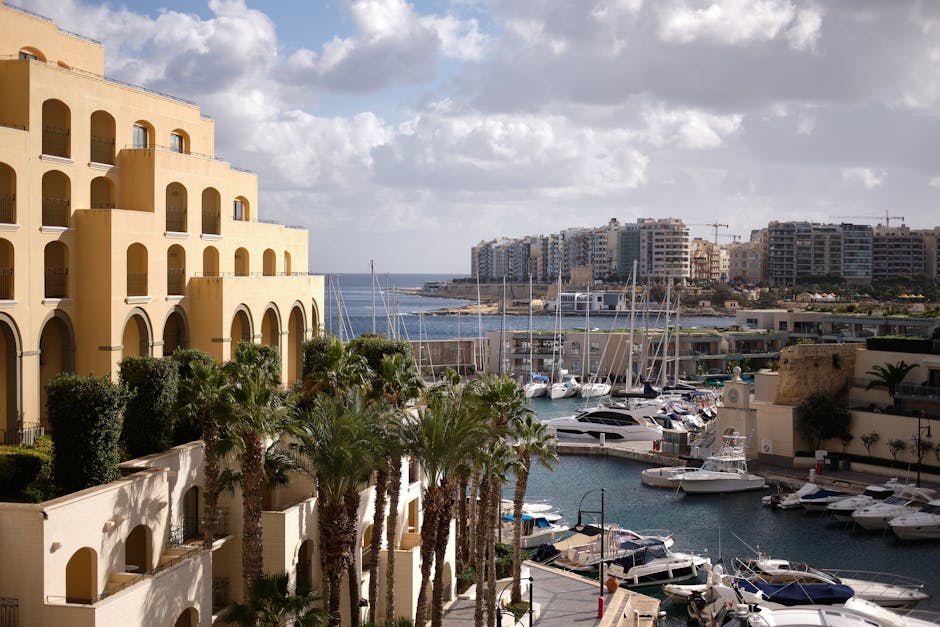
It’s a common misconception that finding great hotel deals in Malta means you’re stuck in a less-than-ideal location or a tired, outdated room. Many travelers believe the island, being a popular Mediterranean destination, always demands premium prices, especially during peak seasons. The truth is, securing a fantastic hotel deal in Malta—one that offers both value and quality—is absolutely achievable. It just requires understanding the island’s unique travel ecosystem and knowing where to look, and critically, when to look. You don’t always have to compromise on comfort or location to save money. Often, a bit of strategic planning unveils hidden gems or unexpected discounts, even at properties you might consider out of your budget.
Timing Your Visit and Booking for Maximum Savings
The biggest lever you have for securing better hotel rates in Malta is timing. This isn’t just about avoiding the absolute peak summer months of July and August, although that’s a crucial first step. It extends to understanding the shoulder seasons and even the genuine off-season. Most travelers gravitate towards summer, pushing prices for everything from flights to a bottle of water significantly higher.
Malta’s shoulder seasons—typically April to early June and September to October—offer a sweet spot. The weather is still excellent, warm enough for swimming, but the crowds are thinner, and critically, hotel prices drop by 20-30% compared to peak summer. You might find a four-star hotel like the Hyatt Regency Malta, which could be upwards of €250 a night in August, available for closer to €180 in May or late September. Even the popular Hotel Valentina in St. Julian’s sees a noticeable dip, making its boutique charm more accessible.
The true off-season, from November to March (excluding the Christmas/New Year week), presents the deepest discounts. While the weather can be cooler and some seasonal attractions might be closed, Malta still offers plenty to explore, and hotel prices can plummet by as much as 40-50% compared to summer. A room at the AX The Palace in Sliema, a luxury option, might drop from €300+ to €150-180 during these months. For budget travelers, this is the time to snap up incredible value at properties that would normally be out of reach. Flying into Malta during the week, rather than at weekends, also often shaves a small percentage off the cost.
Booking Windows: When to Click & Confirm
- Early Bird Advantage: For peak and shoulder seasons, booking 4-6 months in advance generally yields the best rates. Hotels release their initial inventory at competitive prices to secure bookings. Waiting until the last minute for these periods rarely pays off, as demand is high.
- Last-Minute Scramble: For the genuine off-season (January-March), a last-minute booking (1-3 weeks out) can sometimes uncover flash sales, especially if hotels have unsold inventory. However, this is a gamble and less reliable for securing specific properties.
- Mid-Week Stays: Always prioritize checking in and out on weekdays. Weekend demand, especially for short breaks, drives prices up. A Sunday-Thursday stay will almost always be cheaper than a Thursday-Sunday one.
Flexibility is Your Friend
Being flexible with your exact travel dates, even by a day or two, can unlock significant savings. Use the “flexible dates” or “month view” options on booking platforms like Booking.com or Google Hotels to visualize price fluctuations over an entire month. Sometimes, shifting your trip by just 24 hours can save you hundreds of euros, particularly on longer stays.
Booking Platforms: Direct vs. Online Travel Agencies

When searching for hotel deals in Malta, you’ll encounter two primary avenues: booking directly with the hotel or using an Online Travel Agency (OTA) like Booking.com or Expedia. Many assume OTAs always offer the lowest prices due to their competitive nature. This isn’t always true. Each method has its pros and cons, and a smart researcher checks both.
| Factor | Online Travel Agencies (OTAs) | Direct Hotel Bookings |
|---|---|---|
| Price Visibility | Excellent for comparing many hotels quickly. Often have bundled deals (flight+hotel). | Sometimes have exclusive “member” rates or specific package deals not on OTAs. |
| Loyalty Programs | Typically limited or generic (e.g., Genius levels on Booking.com). | Access to the hotel’s own loyalty program (e.g., Marriott Bonvoy, Hyatt World) for upgrades, points, and perks. |
| Flexibility/Cancellations | Vary wildly by booking. Many non-refundable rates are cheaper. Read fine print. | Often more flexible cancellation policies if booked directly, especially for higher-tier rooms. Easier to modify. |
| Customer Service | Can be a bottleneck if issues arise between you, the OTA, and the hotel. | Direct line to the hotel for immediate resolution of any issues or special requests. |
| Hidden Fees | Generally transparent, but watch for city taxes or resort fees added at checkout. | Transparent. Some direct sites include all fees upfront. |
| Best Use Case | Initial research, comparing wide range, flight+hotel packages, last-minute off-season deals. | Specific hotel in mind, accessing loyalty benefits, special requests, corporate rates. |
The “Rate Parity” Myth and Reality
Hotels often have agreements with OTAs regarding “rate parity,” meaning they shouldn’t offer a lower price directly than what’s listed on the OTA. However, hotels frequently circumvent this through various tactics: offering free breakfast, a room upgrade, a spa credit, or a slightly lower “member-only” rate on their own website. For example, a stay at the Corinthia Palace in Attard might appear similar on Booking.com and their own site, but the direct booking could include a complimentary airport transfer or a guaranteed late checkout.
Always check both avenues. Start with an OTA to get a broad overview of prices and availability for your dates. Once you’ve narrowed down a few contenders, visit the official websites of those hotels directly. Sometimes, a quick phone call or email to the hotel can also reveal unadvertised deals or the willingness to match an OTA price while adding extra perks.
Beyond the Standard Hotel: Alternative Stays in Malta
Malta’s accommodation landscape extends far beyond traditional hotels, offering diverse experiences that can often present better value, especially for longer stays or specific travel styles. Exploring these alternatives can significantly impact your budget and your overall experience on the island.
One prominent alternative is the **serviced apartment or aparthotel**. Properties like the Urban Valley Resort & Spa in San Ġwann or the Solana Hotel & Spa in Mellieha, while having hotel amenities, offer self-catering units with kitchens. This is a for budget-conscious travelers because it allows you to prepare some of your own meals, drastically cutting down on restaurant expenses. Consider a week-long stay: buying groceries for breakfasts and a few dinners can save hundreds of euros compared to eating out for every meal. These often come with pools, gyms, and reception services, blending the best of both worlds.
Another popular option is **holiday rentals** through platforms like Airbnb or local agencies. Malta has a vibrant market for these, from charming apartments in Valletta’s historic core to sprawling farmhouses with private pools in Gozo. For families or groups, a multi-bedroom apartment often works out far cheaper per person than booking multiple hotel rooms. For instance, a beautifully restored three-bedroom townhouse in a village like Rabat or Birgu might cost €150-€200 per night, which is exceptional value if split among four to six people. This also provides an authentic local experience, allowing you to immerse yourself in Maltese life rather than being confined to a tourist bubble.
Guesthouses and Boutique Hotels: Charm on a Budget
Malta, especially in Valletta and the Three Cities, excels in **boutique guesthouses** and charming, smaller hotels. These are often family-run, housed in historic buildings, and offer a more personalized experience than larger chains. While some are luxurious (e.g., Iniala Harbour House), many provide excellent value. The Embassy Valletta Hotel, for instance, offers modern comfort in a prime location, often at a more competitive price point than larger hotels nearby. Look for places with fewer than 20 rooms; they often rely on direct bookings and good reviews, sometimes offering better rates or complimentary upgrades to secure your business.
Farmhouses in Gozo: Rural Escape
For a completely different pace, consider a **farmhouse in Gozo**. These traditional stone houses, often hundreds of years old, have been lovingly restored and fitted with modern amenities, including private pools. They are perfect for quiet getaways and offer immense value for groups. A week in a Gozitan farmhouse can range from €800 to €2000 depending on size and season, providing a private oasis that would be unaffordable in a comparable hotel setting.
Malta’s Hidden Gem Hotels for Budget-Minded Travelers

Forget the notion that budget-friendly means compromising entirely on experience. Malta has a surprising number of hotels that deliver genuine charm and comfort without breaking the bank. The trick is knowing which ones consistently over-deliver for their price point.
For those prioritizing location and a vibrant atmosphere, **Hotel Valentina** in St. Julian’s remains a consistent winner. It’s not the cheapest on the island, but for its prime location near nightlife, dining, and public transport, alongside its sleek, modern design and excellent service, it offers exceptional value. Expect to pay around €120-€180 per night in the shoulder season for a property that feels far more upscale. For a slightly more subdued, yet equally well-located option in Sliema, consider **The George, Urban Boutique Hotel**. Its rooftop pool and modern rooms make it a popular choice for those wanting convenience without the full St. Julian’s buzz.
If you’re willing to venture slightly out of the busiest tourist hubs for a significant saving, **The Osborne Hotel** in Valletta offers an unbeatable combination of historic charm and central location, often for under €100 a night outside of peak season. It’s slightly dated in some areas but spotlessly clean and offers superb access to the capital’s attractions. Similarly, the **Dwejra Bay Complex** in Gozo, while basic, provides an incredible base for exploring the island’s natural beauty at a fraction of the cost of larger resorts. It’s a no-frills option, but the proximity to the sea and the quiet setting can be priceless.
Understanding Hotel Rating Systems and Their Impact on Value
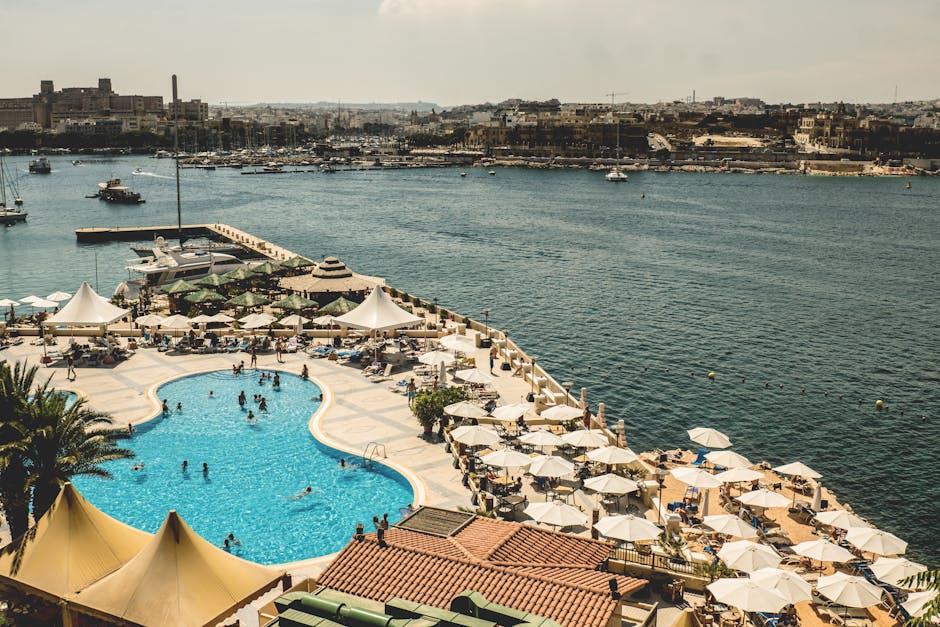
When you’re sifting through hotel deals in Malta, understanding what hotel star ratings actually mean—and, more importantly, what they don’t—is crucial. Many travelers assume a five-star hotel guarantees luxury and impeccable service, while a three-star implies basic amenities. This is a common pitfall that can lead to either overspending or missing out on great value.
Hotel star ratings in Malta, like in many European countries, are often based on a checklist of facilities and services available, rather than subjective quality or guest experience. A hotel earns a star for having a 24-hour reception, another for a restaurant on-site, another for a gym or pool, and so on. This means a newly renovated, well-run three-star boutique hotel might offer a far superior guest experience in terms of comfort, design, and personalized service than an older, slightly rundown four-star property that simply ticks more boxes like having a small conference room or a basic mini-bar in every room.
For example, a modern, independent boutique hotel in Valletta, like Casa Ellul or The Saint John, might technically only be a four-star due to its smaller size or lack of certain large-scale facilities (like multiple restaurants or a huge spa), yet it provides an exceptionally luxurious and personalized stay. Conversely, some older five-star hotels might have all the facilities, but their rooms and common areas could feel dated or lack modern comforts. The key is to look beyond the stars.
Guest Reviews and Specific Amenities Matter More
Instead of relying solely on star ratings, prioritize these factors:
- Recent Guest Reviews: Always check recent reviews on multiple platforms (Google, TripAdvisor, Booking.com). Look for consistent themes regarding cleanliness, staff friendliness, room comfort, and noise levels. A hotel with an average rating of 8.5/10 or higher, based on hundreds of reviews, is usually a safe bet, regardless of its star rating.
- Location Details: Does the hotel fit your travel style? If you want vibrant nightlife, St. Julian’s or Paceville is key. For history and culture, Valletta. For a quieter, family-friendly beach holiday, Mellieha. A perfectly rated hotel in the wrong location for your needs is poor value.
- Specific Amenities: If a pool is non-negotiable, filter for it. If air conditioning is essential (especially in summer), verify it’s working well and included. For families, check if cribs are available or if there are family rooms. Don’t assume.
- Photos: Pay close attention to recent guest photos, which often give a more realistic view of the property than professional marketing shots.
Ultimately, a savvy traveler will use the star rating as a very rough guide, but rely heavily on detailed research and recent guest feedback to determine true value. For a balanced combination of facilities, service, and price, I recommend targeting well-reviewed three-to-four-star properties that have recently undergone renovations or are known for their strong customer service.
Finding excellent hotel deals in Malta is less about luck and more about strategy. By understanding the island’s seasonal rhythms, comparing booking methods carefully, exploring diverse accommodation types, and prioritizing genuine value over star ratings, you can secure a truly memorable stay without overspending. For the best blend of quality and affordability, plan your trip during the shoulder seasons (April-early June or September-October) and book a well-reviewed boutique guesthouse or a modern aparthotel in a slightly less tourist-dense area like Sliema or even the Three Cities, at least four months in advance. This approach consistently yields the best results.