

A common misconception among travelers heading to Sabah is that a stay in Kota Kinabalu is only “authentic” if you are sequestered in a remote beach resort far from the city noise. Many believe that the urban center is merely a transit point, a concrete grid to be tolerated before fleeing to the islands or the rainforest. However, an analytical look at the logistics of Sabah travel suggests the opposite. The city center has evolved into a sophisticated hub where high-end urban hotels often provide superior access to the region’s best culinary experiences and island-hopping jetties, often at a 40% lower price point than their secluded counterparts. Choosing the right accommodation here requires balancing the desire for manicured tropical aesthetics against the practicalities of geography and local infrastructure.
Luxury Beach Resorts vs City Center Hotels: Which Is Better?
When deciding where to anchor your stay, the primary variable is not just the room rate, but the “hidden cost of isolation.” Kota Kinabalu’s geography is unique; the city is flanked by the South China Sea on one side and dense jungle on the other. Luxury resorts like the Shangri-La Rasa Ria are situated nearly 45 minutes north of the city. While this offers a private beach experience, it tethers you to resort pricing for every meal and excursion. If your goal is to explore the local night markets or dine at the famous seafood galleries like Welcome Seafood, a round-trip Grab ride from a northern resort can cost upwards of 80-100 MYR, not to mention the two hours lost in transit.
Conversely, city center hotels place you within walking distance of Jesselton Point, the main gateway to the Tunku Abdul Rahman Marine Park. For a traveler focused on efficiency, the city stay is often the logical choice. You can spend your morning snorkeling on Sapi Island and be back in a rain shower at your hotel by 3:00 PM, just as the tropical afternoon downpour begins. The trade-off is the lack of a private beach. While city hotels have stunning infinity pools overlooking the Gaya Island skyline, they cannot replicate the sound of waves hitting the shore beneath your balcony. The following table breaks down the core differences based on standard 2024 data points.
| Feature | Luxury Beach Resorts | City Center Hotels |
|---|---|---|
| Average Price (5-Star) | $220 – $450 USD | $110 – $190 USD |
| Dining Options | Internal (Premium Pricing) | Local Markets & Diverse Restaurants |
| Island Access | Private Boat (Expensive) | Public Ferry/Charter (Affordable) |
| Vibe | Secluded, Manicured, Quiet | Vibrant, Cultural, Convenient |
For those who prioritize a deep dive into Sabahan culture, the city hotels offer an edge. You are forced to interact with the local rhythm. However, for a honeymoon or a high-stress executive looking for total disconnection, the extra cost of the resort is a justifiable investment in mental health. It is a matter of matching the hotel’s utility to your specific travel objectives rather than simply chasing the highest star rating.
Best Luxury Resorts in Kota Kinabalu for Nature and Seclusion
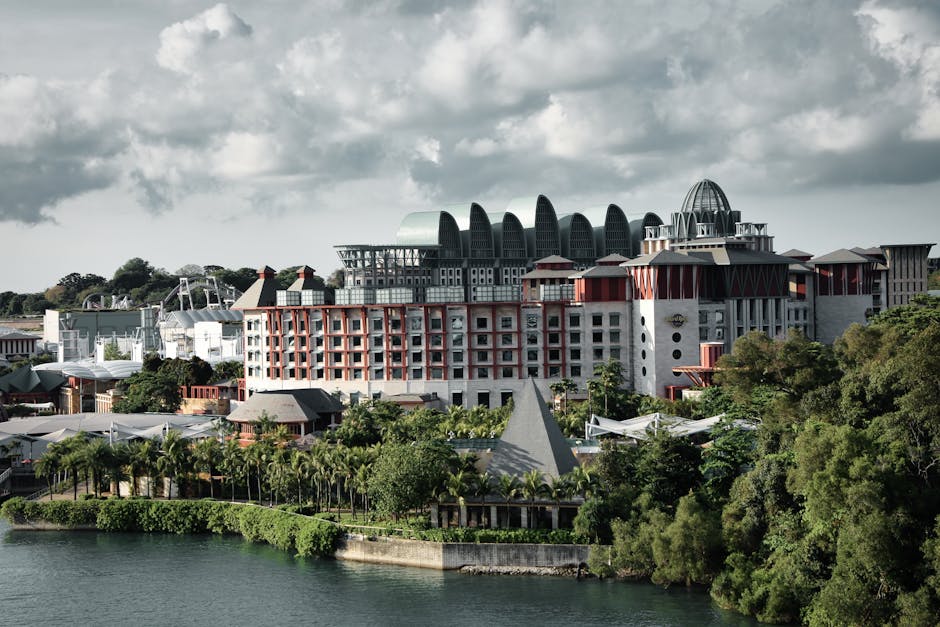
If you have determined that seclusion is your priority, three properties dominate the landscape. These are not merely hotels; they are self-contained ecosystems. Analyzing these requires looking at their specific relationship with the surrounding environment, as each offers a different version of “paradise.”
Shangri-La Rasa Ria, Tuaran
Located on Dalit Beach, the Rasa Ria is the gold standard for those who want a resort that feels like a destination in itself. It is divided into two wings: the Garden Wing and the Ocean Wing. The Ocean Wing is the superior choice for those seeking exclusivity, offering private outdoor bathtubs and a dedicated breakfast area.
Price: Approximately $240 – $500 USD per night.
Pro: Access to a 64-acre nature reserve and a premier golf course.
Con: Significant distance from Kota Kinabalu city center (45-60 minutes depending on traffic).
Shangri-La Tanjung Aru
This property offers a middle ground. It is only 10 minutes from the airport and 15 minutes from the city, yet it sits on a private peninsula. The Sunset Bar here is arguably the most famous spot in Sabah to watch the sun go down. It provides a resort atmosphere without the extreme isolation of Rasa Ria.
Price: Approximately $210 – $380 USD per night.
Pro: Exceptional child-friendly facilities including a massive water play area.
Con: The beach is functional but not as pristine or expansive as those further north.
Gaya Island Resort
For a truly unique experience, Gaya Island Resort requires a boat transfer from Jesselton Point. It is tucked into the hillside of an island within the marine park. This is the choice for the ecologically conscious traveler. The resort features a marine center dedicated to turtle rescue and coral restoration.
Price: Approximately $180 – $350 USD per night.
Pro: Unrivaled immersion in nature; you will likely see macaques and hornbills from your villa.
Con: You are entirely dependent on the resort for food, and the hilly terrain involves significant walking/climbing.
When booking these high-end stays, consider the financial logistics. Using a travel-optimized credit card—many of which can be found through financial service comparisons on retail and finance platforms like those hosted by awin—can help mitigate the impact of foreign transaction fees. Given that a five-night stay at Rasa Ria can easily exceed $2,000 USD once dining is factored in, a card that offers 2-3% back on travel spend or provides comprehensive travel insurance is not just a perk; it is a tactical necessity.
Top Rated City Hotels in Kota Kinabalu for Island Hopping
The urban hotel scene in Kota Kinabalu has seen a massive upgrade in the last five years. Gone are the days when your only options were tired, 1990s-era towers. The new generation of city hotels focuses on design, rooftop social spaces, and seamless connectivity. These hotels are perfect for the traveler who plans to be out of the room from 8:00 AM to 6:00 PM.
Hyatt Centric Kota Kinabalu
Opened recently, the Hyatt Centric is a masterclass in modern urban design. Designed by Kengo Kuma, the architecture reflects the heritage of Sabah through wood and textile patterns. It is located steps away from Jesselton Point and the Suria Sabah shopping mall. The rooftop pool and bar are currently the trendiest spots in the city.
Price: Approximately $130 – $180 USD per night.
Pro: Incredible views of the islands and ultra-modern room tech.
Con: The breakfast area can get extremely crowded during peak morning hours.
Le Meridien Kota Kinabalu
Le Meridien holds the best position for food lovers. It sits directly across from the Filipino Market and the Waterfront. If you want to walk out of your lobby and immediately be immersed in the smell of grilled fish and the buzz of a night market, this is the spot. The hotel recently underwent a significant renovation, bringing its rooms up to a very high contemporary standard.
Price: Approximately $120 – $160 USD per night.
Pro: Best location for walking to the city’s main attractions and markets.
Con: The immediate surrounding area is very busy and can be noisy late into the night.
Hilton Kota Kinabalu
The Hilton is located slightly further back from the water, about a 10-minute walk to the seafront. What it loses in immediate water access, it makes up for in room size and executive lounge quality. It feels more like a business hotel but serves leisure travelers exceptionally well with its massive rooftop pool area and some of the best buffet dining in the city at Urban Kitchen.
Price: Approximately $110 – $150 USD per night.
Pro: Consistent service standards and excellent value for Hilton Honors members.
Con: Not as “scenic” as the Hyatt Centric or Le Meridien due to its inland position.
For those planning to spend significant time on the water, investing in high-quality waterproof gear is essential. Retailers available through awin partners offer specialized dry bags and waterproof phone housings that are significantly more reliable than the cheap versions sold at the jetties. A failed seal on a cheap bag can result in a destroyed smartphone, turning a $150 hotel saving into a $1,000 repair bill.
The decision between these three often comes down to brand loyalty or specific architectural taste. The Hyatt Centric feels “younger” and more design-focused, while the Hilton and Le Meridien offer a more traditional, expansive luxury feel. All three provide excellent Wi-Fi, which is a critical consideration if you are balancing leisure with remote work.
Essential Logistics for Kota Kinabalu: Connectivity and Booking Tips
Successfully navigating a stay in Kota Kinabalu requires more than just picking a bed. The city’s infrastructure is generally good, but there are friction points that can frustrate the unprepared. One of the most critical elements is digital connectivity. While hotel Wi-Fi in the 5-star bracket is usually reliable, you will need data for the Grab app—the primary mode of transport. Relying on international roaming can be prohibitively expensive.
Before you depart, check telecom providers via awin for international eSIM options or travel SIM cards. Having a local data connection the moment you land at BKI airport allows you to bypass the overpriced airport taxis and book a Grab for about 10-15 MYR to the city center. This is a small detail that sets the tone for a cost-effective trip. Furthermore, the heat in Sabah is no joke. The humidity often sits above 80%, which means you will likely go through two sets of clothes a day. Choosing a hotel with a fast, reasonably priced laundry service—or one located near a self-service laundromat—is a practical detail often overlooked in glossy brochures.
When it comes to booking timing, Sabah has two distinct peaks. The first is during the dry season (March to September), and the second is during the Lunar New Year. During these times, hotel rates can double, and the best properties sell out months in advance. If you are traveling during the shoulder season (October to November), you can often find “stay 3, pay 2” deals at the luxury resorts. However, be prepared for afternoon thunderstorms. These are usually short and violent, but they can disrupt boat transfers to places like Gaya Island.
Finally, consider the financial aspect of your bookings. Many high-end hotels in Malaysia charge a “Tourism Tax” of 10 MYR per room per night for non-Malaysians, which is usually collected at check-in rather than included in the online price. Using a finance-focused app or card to track these incidental expenses ensures you aren’t surprised by the final folio. By analyzing the city through the lens of both luxury and logic, you can craft a stay that maximizes both your budget and your experience of this incredible corner of Borneo. Whether you choose the silence of the Dalit Beach jungle or the neon hum of the Waterfront, Kota Kinabalu remains one of the most accessible and rewarding destinations in Southeast Asia.