
Are you trying to decide whether the crisp air of an Alpine winter or the lush green of a mountain summer suits your travel style better? Austria is a rare destination that maintains two distinct peak seasons, each offering a fundamentally different experience. Unlike Mediterranean spots that shutter in the winter, the Austrian landscape simply swaps hiking boots for skis. Choosing when to go depends entirely on whether you prioritize the cultural density of Vienna, the powdery slopes of the Arlberg, or the mirror-like lakes of the Salzkammergut. This analysis breaks down the meteorological data, crowd patterns, and pricing fluctuations to help you pinpoint your ideal window.
What are the peak and off-peak travel seasons in Austria?
Austria operates on a dual-peak calendar, which complicates the traditional “high season” definition. The first peak occurs from late December through March, driven by the world-class ski industry. During this time, mountain villages in the Tyrol and Vorarlberg regions see their highest prices and lowest vacancy rates. The second peak spans July and August, when hikers and city-breakers flock to the country to escape the more oppressive heat of Southern Europe. During these summer months, the Alpine air remains refreshing, though the popular streets of Salzburg and Hallstatt can feel uncomfortably congested.
The shoulder seasons—April to June and September to October—offer a nuanced middle ground. Spring is a period of transition; while the valleys begin to bloom, high-altitude trails often remain blocked by snow until late June. Conversely, autumn is arguably the most stable time for weather. September provides clear skies and comfortable temperatures, making it a favorite for photographers and serious trekkers. The true low seasons occur in November and April. During these months, many mountain hotels and cable cars close for maintenance, and the weather tends to be gray and damp. However, for those focusing on the museums of Vienna or the coffee house culture, these months offer the lowest prices of the year.
| Season | Months | Pros | Cons |
|---|---|---|---|
| High (Winter) | Dec – Mar | World-class skiing, Christmas markets | Highest prices, cold temperatures |
| High (Summer) | July – Aug | Warm weather, all trails open | Crowded cities, peak flight costs |
| Shoulder | May – June, Sept – Oct | Moderate prices, pleasant hiking | Unpredictable rain, some lifts closed |
| Low | Nov, April | Lowest costs, no crowds | Many attractions closed, gloomy weather |
When should you visit the Austrian Alps for skiing and winter sports?
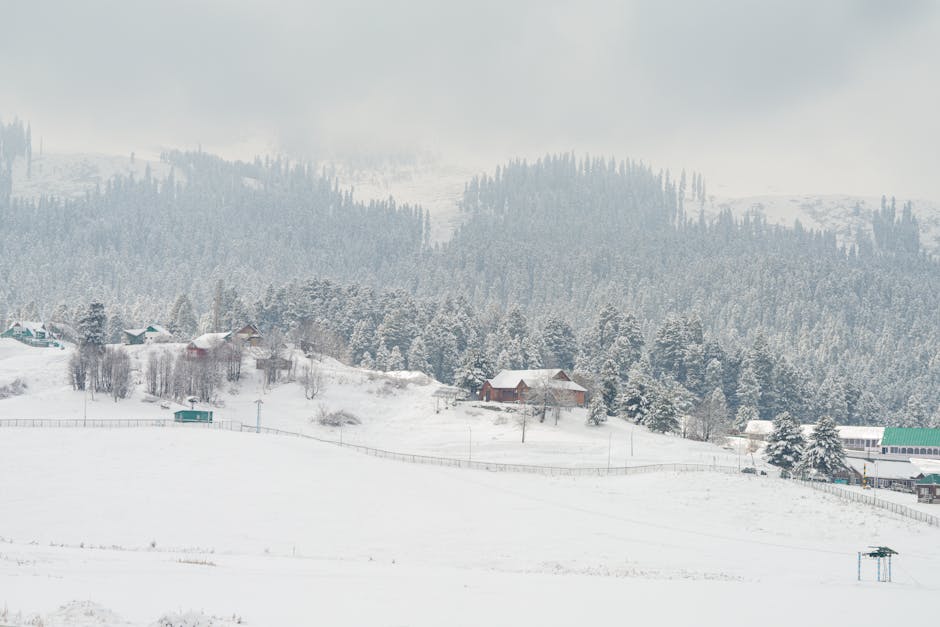
For the most reliable snow cover, the window between mid-January and late February is the gold standard. While December is magical due to the festive atmosphere, early-season snow can be inconsistent, especially at lower-elevation resorts like Kitzbühel. By mid-January, the base layer is usually established, and the “deep freeze” of the continental winter ensures the powder stays light. If you are aiming for high-altitude glacial skiing, places like Hintertux or Sölden allow for a much longer season, often extending into May, but the core winter months provide the full Alpine experience where the villages themselves are blanketed in white.
There is a trade-off to consider regarding school holidays. The weeks surrounding Christmas and New Year, as well as the “Semesterferien” (February school breaks), see a massive influx of domestic and German tourists. During these periods, lift lines at major hubs like Ischgl or St. Anton can exceed 20 minutes, and mountain huts become difficult to navigate. If your schedule allows, the first two weeks of March offer a “sweet spot”—the days are longer, the temperatures are slightly milder, and the sun begins to hit the outdoor terraces of the après-ski bars, yet the snow quality remains high enough for excellent carving.
Investing in quality gear is essential for the Austrian winter, where temperatures can plummet to -15°C on the peaks. For those looking to upgrade their equipment, the Salomon S/Pro 100 Ski Boots (approximately £350) are a frequent recommendation for intermediate skiers. Pros: The Heat Moldable shell allows for a truly custom fit, reducing the dreaded “boot ache” during long days. Cons: They are a significant investment for casual skiers and may be stiffer than beginners prefer. You can find these at major retailers like Decathlon or Ellis Brigham via the Awin network, often with seasonal discounts in late March.
What is the best month for hiking and outdoor activities in the Tyrol?
If your goal is to traverse the Eagle Walk or explore the High Tauern National Park, September is the premier choice. By September, the summer crowds have dissipated, the cattle are being herded down from the high pastures in traditional “Almabtrieb” festivals, and the air is exceptionally clear. The stability of the weather in early autumn is a significant advantage; the afternoon thunderstorms that frequently plague July and August are much less common, allowing for safer long-distance trekking. The temperatures are cool enough for strenuous climbs but warm enough for a t-shirt in the sun.
June is a tempting alternative, but it comes with a caveat: snowmelt. In a heavy winter year, many trails above 2,000 meters remain impassable without crampons until well into July. However, June is when the Alpine wildflowers are at their peak. The meadows are carpeted in gentians and rhododendrons, providing a vibrant contrast to the limestone peaks. If you choose June, focus on lower-elevation walks in the Salzkammergut or the rolling hills of Styria rather than the jagged peaks of the Ötztal.
Reliable footwear is non-negotiable for these terrains. The Salomon X Ultra 4 GORE-TEX (approx £140) is a staple for Austrian trails. Pros: It offers the agility of a trail running shoe with the stability of a hiking boot, and the GORE-TEX lining is vital for crossing damp meadows. Cons: The quick-lace system can be polarizing for those who prefer traditional tensioning, and the fit is notoriously narrow. Ensure you break them in before attempting a multi-day hut-to-hut tour.
How does the weather affect a city break in Vienna or Salzburg?
City breaks in Austria are less dependent on perfect weather than mountain excursions, yet the climate still dictates the rhythm of the experience. May and June are arguably the most aesthetic months for Vienna. The city’s numerous parks, like the Volksgarten, are in full bloom, and the “Schankgarten” (outdoor dining) culture begins in earnest. Temperatures usually hover around 20-25°C, which is ideal for walking between the Hofburg and the MuseumsQuartier. Salzburg, while beautiful in the sun, is famous for its “Schnürlregen” (string rain)—a persistent, fine drizzle. Visiting in late spring ensures you see the Mirabell Gardens at their best, even if you have to carry an umbrella.
July and August can be surprisingly hot in the cities. Vienna often experiences heatwaves where temperatures exceed 30°C, and because many older hotels and apartments lack air conditioning, the nights can be stifling. During these months, locals flee to the Old Danube or the nearby Vienna Woods. If you visit in mid-summer, plan your museum visits for the afternoon to take advantage of their climate-controlled environments. Alternatively, late September offers a gentle cooling, with the vineyards surrounding Vienna turning gold, providing a perfect backdrop for a hike to a Heuriger (wine tavern).
Pro Tip: If you are visiting Vienna in the summer heat, the city provides numerous “Cooling Parks” and misting stations. Download the Stadt Wien app to find the nearest public drinking fountain and avoid paying €4 for bottled water in tourist zones.
Which months offer the best value for budget-conscious travelers?
For those looking to maximize their Euro, November is the cheapest month to visit Austria. The gap between the end of the hiking season and the start of the Christmas markets creates a vacuum in demand. Hotel rates in Vienna and Salzburg can drop by as much as 40% compared to August levels. While the weather is often overcast and rainy, this is the perfect time for a high-end cultural tour. You can secure tickets to the State Opera or the Spanish Riding School with much less lead time, and the city’s famous coffee houses like Café Central feel more like local haunts than tourist traps.
The other value window is late April and May. As the ski resorts close, there is a lull before the summer season kicks off. This is an excellent time for a road trip through the Wachau Valley. The apricot trees are in bloom, and the wine taverns are opening their doors. Flight prices from major European hubs are generally lower during this period, provided you avoid the Easter holiday week. By using a travel-focused credit card or a digital bank like Revolut (often available via Awin-affiliated finance links), you can also save on currency exchange fees, which can add up significantly when paying for boutique stays in the countryside.
When booking budget travel, don’t overlook the importance of connectivity. Using your home SIM can lead to exorbitant roaming charges. An Airalo eSIM for Austria (starting around $5 for 1GB) is a cost-effective way to stay connected. Pros: Instant activation and no need to swap physical cards. Cons: It is data-only, so you won’t have a local number for making restaurant reservations, though apps like WhatsApp mitigate this.
When are the most important cultural festivals and Christmas markets?
Cultural timing is everything in Austria. The Christmas markets (Christkindlmärkte) typically open in the third week of November and run until December 24th (some stay open until New Year’s). If you want the full festive experience without the peak crowds of the week before Christmas, the first week of December is the ideal time. The air is cold enough to justify a mug of Glühwein, but the markets are slightly more navigable. Salzburg’s market, set against the backdrop of the Hohensalzburg Fortress, is particularly atmospheric during the feast of St. Nicholas (December 6th), when you might spot the traditional Krampus parades.
In the summer, the Salzburg Festival (Salzburger Festspiele) dominates the calendar from late July through August. This is one of the world’s most prestigious opera and drama festivals. If you plan to visit Salzburg during this time, you must book accommodation at least six months in advance, and prices will be at an absolute premium. For a more relaxed cultural experience, the Vienna Jazz Festival in June and July offers performances in spectacular venues like the State Opera House, often with more accessible ticket prices than the formal winter season.
- Vienna Christmas Markets: Late Nov – Dec 26. Best for scale and variety.
- Salzburg Festival: Late July – August. Best for high-brow opera and classical music.
- Life Ball (Vienna): Usually June. A massive, colorful charity event.
- Bregenzer Festspiele: July – August. Famous for its floating stage on Lake Constance.
What gear and connectivity do you need for an Austrian trip?
Packing for Austria requires a modular approach because of the country’s varied topography. Even in the height of summer, a trip to a glacier or a high-altitude viewpoint like the Grossglockner High Alpine Road can see temperatures near freezing. A high-quality waterproof shell is essential year-round. The Arc’teryx Beta Jacket (approx £350) is a premium choice found at retailers like Cotswold Outdoor. Pros: Exceptional breathability and durability for mountain environments. Cons: Very high price point for a single layer.
Beyond clothing, your tech setup can make or break the logistics of navigating the Austrian Federal Railways (ÖBB) or finding remote trailheads. A reliable power bank is a necessity, especially as cold weather drains phone batteries faster during winter. The Anker 737 Power Bank (approx £130) is a powerhouse for travelers. Pros: Can charge a laptop and has a digital display for monitoring output. Cons: It is heavy and might feel like overkill for a simple city stroll. You can find these at Currys or Argos, both of which often offer click-and-collect services for travelers arriving in major UK hubs before flying out.
Lastly, ensure your financial logistics are handled. While Austria is increasingly card-friendly, small mountain huts and traditional cafes often remain “Nur Bargeld” (cash only). Carrying a mix of a travel-friendly debit card and a small amount of Euro cash is the safest strategy. Many travelers use Currys for purchasing their travel tech and insurance, ensuring their cameras and smartphones are covered against the accidental drops that are all too common on rocky Alpine paths. By planning your gear and timing together, you ensure that whether you are standing in the middle of a snow-covered village or a sun-drenched vineyard, you are prepared for the specific demands of the Austrian landscape.