

If you are looking for the short answer, the best time to visit Queenstown depends entirely on whether you want to slide down a mountain or hike up one, but for the average traveler, the shoulder months of March to May offer the most reliable balance of settled weather, stunning scenery, and manageable prices. I have spent a significant amount of time navigating the fluctuating seasons of Central Otago, and if there is one thing I have learned, it is that the ‘adventure capital’ does not have a true off-season; it simply changes its personality every three months. You can find yourself basking in 25°C sunshine in January or scraping frost off a rental car windshield in July, and both experiences have their own particular charm if you are prepared for them.
The biggest mistake people make is assuming that because Queenstown is small, it is easy to wing it. During the peak of winter or the height of summer, the town swells to three times its normal population. This means the best restaurants are booked out weeks in advance, and the price of a standard hotel room can double overnight. To get the most out of your trip, you need to align your arrival with your specific goals—whether that is seeing the golden leaves of Arrowtown, catching the first tracks at The Remarkables, or simply finding a quiet spot by Lake Wakatipu without fighting through a crowd of selfie sticks.
What is the best month to visit Queenstown for outdoor activities?
For most people, the sweet spot for outdoor exploration is the New Zealand summer, specifically from December through February. This is when the Great Walks, like the Routeburn or Milford Track, are in their prime. The days are incredibly long; in mid-December, it doesn’t get dark until nearly 10:00 PM. This gives you a massive window for activities like bungy jumping, jet boating, or long-distance trekking. However, this is also the busiest time of year. If you prefer a bit more breathing room, I highly recommend looking at March. The weather remains warm and stable, but the frantic energy of the Christmas holidays has dissipated.
Autumn (March to May) is arguably the most photogenic season in the region. The deciduous trees introduced by early European settlers—willows, poplars, and oaks—turn brilliant shades of gold and orange. If you are a photographer or a wine enthusiast, April is your month. The Central Otago Pinot Noir harvest is in full swing, and the air is crisp but not yet freezing. It is the perfect time for cycling the Queenstown Trail or visiting the cellar doors in Gibbston Valley. Just be aware that the nights start to get very cold by May, and you will definitely want a high-quality down jacket for those evening walks along the wharf.
Seasonal Activity Comparison
| Season | Months | Key Activities | Average Temp (High/Low) |
|---|---|---|---|
| Summer | Dec – Feb | Hiking, Water Sports, Skydiving | 22°C / 10°C |
| Autumn | Mar – May | Wine Tasting, Photography, Biking | 16°C / 5°C |
| Winter | Jun – Aug | Skiing, Snowboarding, Après-ski | 8°C / -1°C |
| Spring | Sep – Nov | Rafting, Spring Skiing, Gardening | 15°C / 4°C |
Winter (June to August) transforms the town into a bustling ski village. Queenstown is the gateway to four major ski areas: Coronet Peak, The Remarkables, Cardrona, and Treble Cone. If you are coming specifically for the snow, late July and August are your safest bets for a solid base. June can be hit-or-miss; some years the season starts with a bang, while others see the mountains relying heavily on snowmaking until a big July dump. Spring (September to November) is the wild card season. You can experience ‘four seasons in one day’ quite literally. It is a great time for white-water rafting because the snowmelt keeps the rivers high, and the lupins start blooming around the lakeside in November, creating those iconic purple and pink landscapes you see on postcards.
When can you find the cheapest flights and accommodation in Queenstown?
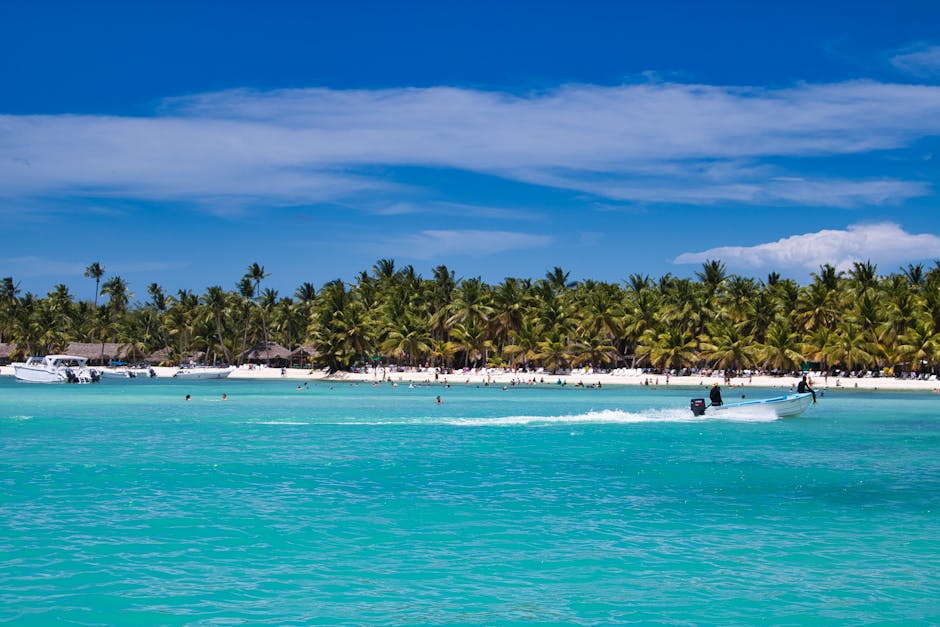
If budget is your primary concern, you need to avoid the ‘red zones’ on the calendar. These are the New Zealand and Australian school holidays. Because Queenstown is a short flight from Sydney and Melbourne, it is a primary destination for Australian families. During the July school holidays and the late December to January break, prices for everything from car rentals to Airbnbs skyrocket. I have seen basic studio apartments go for $400 NZD a night during these windows, which is frankly absurd for what you get. If you must travel during these times, book at least six months in advance to secure anything resembling a fair rate.
The cheapest months to visit are typically May and November. May is the ‘quiet before the storm’ of winter. The autumn colors have faded, but the ski hills aren’t open yet. You can often find significant discounts on multi-day tours and accommodation. Similarly, November is a fantastic time for deals. The town is gearing up for summer, but the massive crowds haven’t arrived. I’ve found that using a travel-focused credit card or a finance app that offers cashback on bookings can further soften the blow to your wallet. Many travelers overlook the benefits of booking through retail portals that offer points or rewards, which can be redeemed for future flights or upgrades.
Another tip for the budget-conscious: look at staying in Frankton or even Arrowtown rather than the Queenstown CBD. Frankton is closer to the airport and has several large supermarkets (like Pak’nSave) where you can stock up on supplies at ‘local’ prices rather than the inflated ‘tourist’ prices in the town center. The local bus system, Orbus, is remarkably efficient and only costs $2 with a Bee Card, making it a viable alternative to expensive daily parking in town. If you are planning to rent a car, compare prices through major aggregators but keep an eye on the insurance excess—New Zealand roads can be treacherous, and a small gravel chip can cost you hundreds if you aren’t covered.
Pro Tip: If you are visiting for skiing, buying your lift passes online well in advance can save you up to 20% compared to window prices. Look for ‘Early Bird’ specials that usually expire in late March or early April.
When it comes to flights, Air New Zealand and Jetstar are the primary carriers. Jetstar is the budget option, but be very careful with their baggage limits. They are notorious for weighing carry-on bags at the gate, and the fees for being even a kilogram over are steep. If you are bringing your own ski gear or heavy hiking boots, it is almost always cheaper to prepay for a checked bag. I usually monitor prices using tracking tools and aim to book on a Tuesday or Wednesday when mid-week sales are more frequent. For those coming from overseas, look for codeshare flights that bundle your international leg with the domestic hop to Queenstown; it often works out cheaper and provides better protection if your first flight is delayed.
What essential gear and connectivity do you need for a Queenstown trip?

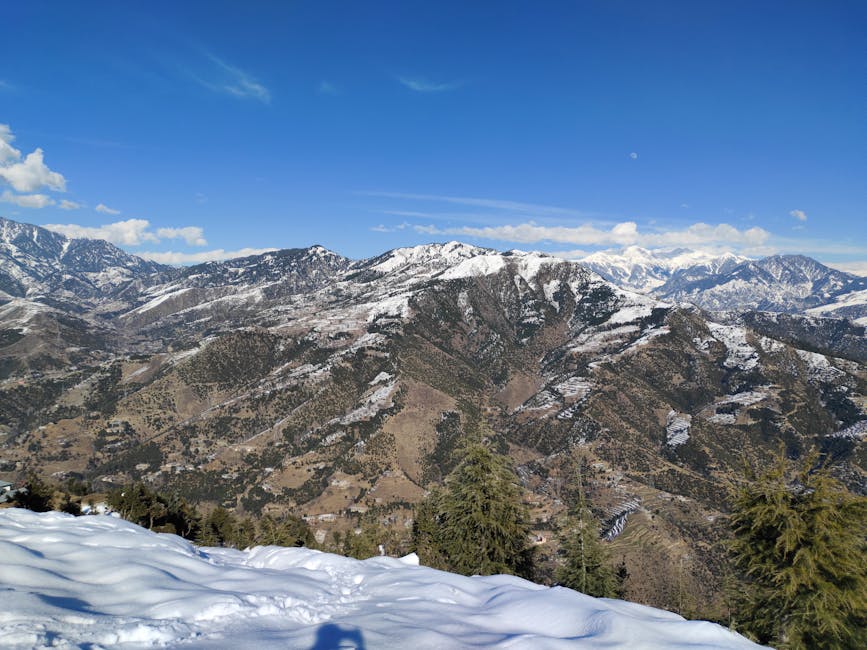
Regardless of when you visit, the environment in Queenstown is alpine and unforgiving. I have seen people try to hike the Ben Lomond track in flip-flops (locally known as jandals) and deeply regret it halfway up. The weather can turn from bluebird skies to a freezing rainstorm in less than thirty minutes. This is why your gear choices are paramount. You don’t need to look like you’re climbing Everest, but you do need equipment that performs. Investing in a solid pair of boots and a versatile shell jacket will make the difference between a memorable trip and a miserable one.
For hiking, I swear by the Salomon Quest 4D GTX Hiking Boots. You can usually find these at major outdoor retailers for around $230 – $260 USD. The ‘pro’ is their incredible ankle support and Gore-Tex waterproofing, which is essential for the muddy sections of the Routeburn. The ‘con’ is that they are relatively heavy and can feel like overkill for casual strolls around the lake. If you are doing serious mileage, they are worth every gram. For your outer layer, something like the Arc’teryx Beta AR Jacket is the gold standard. It retails for about $600 USD. The ‘pro’ is the rugged Gore-Tex Pro fabric that breathes while keeping out 100% of the wind and rain. The ‘con’ is obviously the price tag; it is a massive investment, but it will last you a decade of travel.
Recommended Travel Tech and Gear
- Connectivity: Don’t rely on hotel Wi-Fi, which can be spotty in the older parts of town. I recommend getting an Airalo New Zealand eSIM. For about $10 – $30 USD depending on the data package, you get instant 4G/5G connectivity as soon as you land. The ‘pro’ is the convenience and avoiding roaming fees. The ‘con’ is that it is data-only, so you won’t have a local number to call for dinner reservations—though most places use online booking anyway.
- Power: If you are out all day taking photos and using GPS, a power bank is non-negotiable. The Anker 737 Power Bank (approx. $130 USD) is a beast. It can charge a phone several times over and even top up a MacBook. The ‘pro’ is the high-speed charging and digital display. The ‘con’ is that it’s quite bulky in a daypack.
- Photography: For capturing the landscapes, the Sony Alpha a7 IV (approx. $2,400 USD body only) is a favorite among travel creators. The ‘pro’ is the incredible dynamic range and autofocus. The ‘con’ is the price and the weight of the lenses you’ll need to carry.
Finally, let’s talk about money. New Zealand is almost entirely cashless now. You can pay for a coffee or a bus ride with your phone or a contactless card. However, international transaction fees can add up. I recommend using a travel-friendly finance card like those offered by major fintech companies or checking with your bank for a ‘no foreign transaction fee’ option. This can save you 3% on every single purchase, which, over a two-week trip, pays for a very nice dinner at Rata or The Bunker. Also, ensure you have travel insurance that specifically covers ‘adventure activities.’ Standard policies often exclude things like bungy jumping or heli-skiing, which are the very reasons people go to Queenstown in the first place. Read the fine print before you jump—literally.
Ultimately, Queenstown is a destination that rewards the prepared. If you show up in July with no dinner reservations and a light sweater, you’re going to have a hard time. But if you pick a shoulder month, pack the right layers, and secure your connectivity before you leave the airport, you’ll see why this tiny corner of the South Island is consistently rated as one of the best places to visit on the planet. Whether you’re there for the adrenaline or the Pinot Noir, timing is everything.