
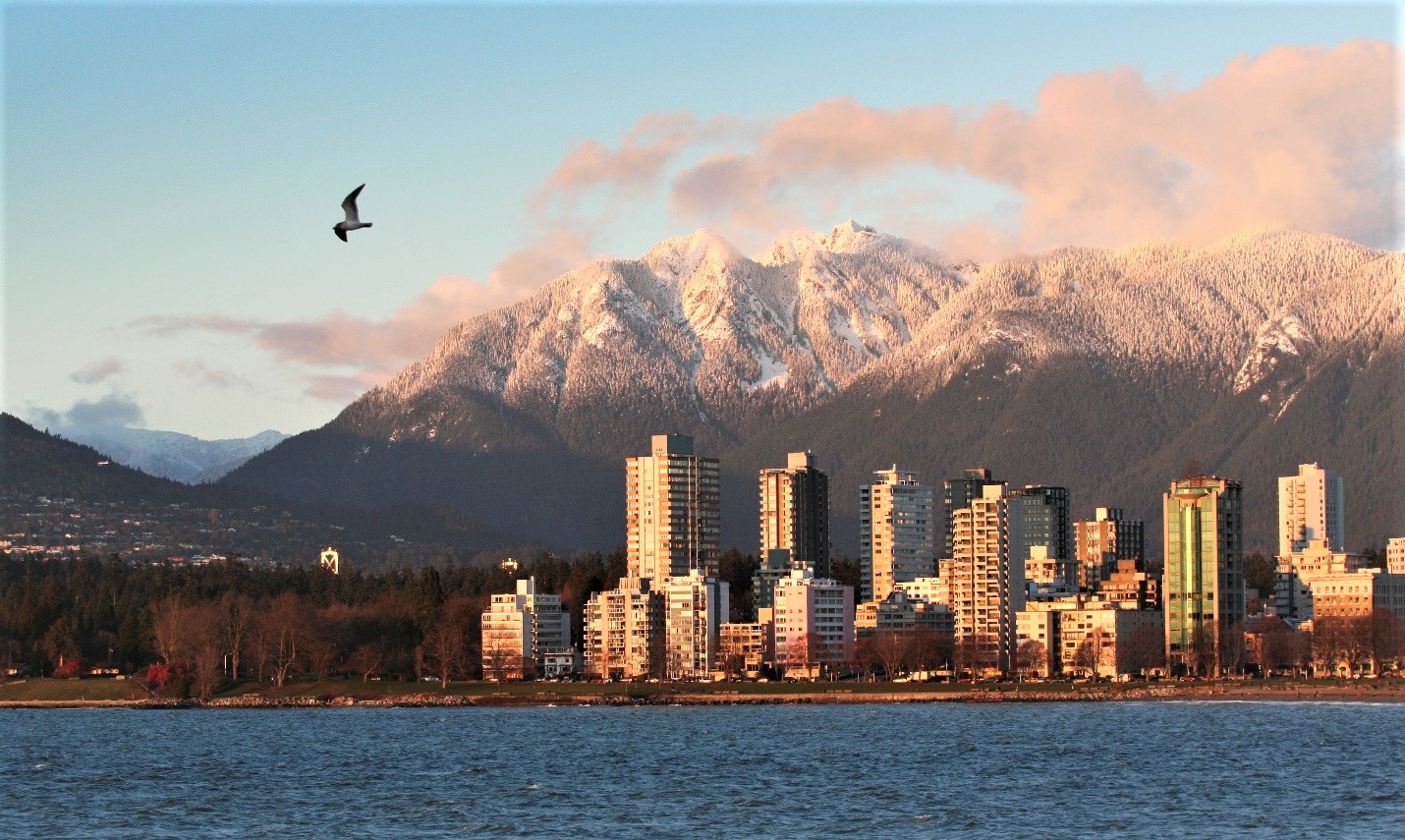
Canada offers immense natural beauty and vibrant cities, but its sheer size can overwhelm first-time visitors. Attempting to cover too much ground often leads to exhaustion and missed opportunities. Smart planning is key to an unforgettable journey.
What Makes Canada Travel So Challenging for Newcomers?
For many, the idea of Canada conjures images of snow-capped mountains, pristine lakes, and bustling urban centers. All true. However, these iconic images are spread across the world’s second-largest country by land area. This vastness presents significant challenges for those planning their initial visit, often leading to hurried itineraries and unexpected expenses. Understanding these hurdles upfront is crucial for a successful trip. The biggest misconception is that one can easily “do Canada” in a week or two. This ambition typically results in more time spent in transit than experiencing the destination itself.
The Scale: Distances Between Major Destinations
Canada spans nearly 10 million square kilometers. Traveling between major cities or natural attractions often requires significant time and cost. For instance, driving from Vancouver, British Columbia, to Calgary, Alberta, takes a minimum of 10 hours without stops, covering over 900 kilometers through the Rocky Mountains. Flying is faster but adds substantial expense, especially for a family. Even within a single province, distances can be vast. Exploring Nova Scotia’s Cabot Trail, a scenic coastal route, demands several days to truly appreciate without rushing. Trying to combine a trip to the Pacific Rim National Park Reserve on Vancouver Island with a visit to Old Quebec City on the Atlantic side within a standard vacation timeframe is simply unrealistic. Such attempts typically mean spending half your vacation in airports or on long drives.
Climate Variability Across Regions
Canada’s climate is not uniform. When Vancouver enjoys mild, rainy winters, Montreal can be buried under heavy snow, and Toronto experiences a deep freeze. Summer temperatures also vary dramatically. While July in Toronto might hit 30°C (86°F) with humidity, the same month in Churchill, Manitoba, will be significantly cooler, around 12°C (54°F), suitable for polar bear viewing. Packing for a cross-country trip requires a versatile wardrobe, often necessitating layers for all four seasons, even within a single week. A lack of understanding here can lead to discomfort or unnecessary shopping upon arrival. Always check local forecasts for your specific destinations and dates, not just a general “Canada” forecast.
Cost Management for Extended Stays
Canada is an expensive country, particularly for accommodation, transportation, and dining in major cities and popular tourist areas. A typical hotel room in downtown Vancouver or Toronto can easily exceed CAD $250 per night during peak season. Car rentals, especially during summer, climb sharply, often reaching CAD $80-150 per day before fuel and insurance. Activities like national park passes, guided tours, and restaurant meals add up quickly. Budgeting effectively means prioritizing experiences and potentially considering alternatives like vacation rentals or camping for parts of the trip. Many first-timers underestimate these cumulative costs, leading to budget overruns or cutting experiences short. Planning a realistic budget for daily expenses, beyond just flights and hotels, is critical.
East vs. West: Which Region is Right for Your First Visit?
Deciding between Canada’s eastern and western regions for a first trip is a common dilemma. Both offer distinct experiences, appealing to different interests and travel styles. The East is rich in history, European charm, and maritime culture, while the West boasts dramatic mountain scenery and rugged coastlines. A focused choice allows for deeper exploration rather than a superficial overview.
| Feature | Eastern Canada (Ontario, Quebec, Maritimes) | Western Canada (British Columbia, Alberta) |
|---|---|---|
| Primary Appeal | European-style cities, rich history, maritime culture, autumn foliage, lakes | Majestic mountains, Pacific coastline, national parks, wildlife, adventure sports |
| Top Destinations | Montreal, Quebec City, Toronto, Niagara Falls, Prince Edward Island, Halifax | Vancouver, Victoria, Banff, Jasper, Whistler, Okanagan Valley |
| Landscape | Rolling hills, vast forests, Great Lakes, rugged Atlantic coast, farmlands | Towering Rockies, deep fjords, temperate rainforests, high desert, Pacific Ocean |
| Culture | French influence (Quebec), British heritage, Indigenous cultures, maritime charm | Diverse Asian influences (BC), Indigenous cultures, outdoor-focused lifestyle |
| Activities | City tours, historical sites, culinary experiences, whale watching (Atlantic) | Hiking, skiing, kayaking, wildlife viewing, scenic drives, hot springs |
| Recommended Stay | 7-10 days for a focused province or region (e.g., Quebec/Montreal) | 7-10 days for a focused area (e.g., Banff/Jasper or Vancouver/Victoria) |
| Best For | History buffs, foodies, city explorers, fall foliage enthusiasts | Nature lovers, adventure seekers, photographers, skiers/snowboarders |
Coastal Delights: Maritimes and British Columbia
If your dream Canadian trip involves stunning coastlines, fresh seafood, and charming towns, both the Maritimes (Nova Scotia, Prince Edward Island, New Brunswick) and British Columbia offer compelling options. The Maritimes provide a distinct Atlantic experience with lighthouses, fiddle music, and a relaxed pace. Think lobster rolls in Peggy’s Cove, exploring the Anne of Green Gables house on PEI, or sailing the Bay of Fundy. British Columbia, conversely, offers a rugged Pacific beauty, from the rainforests of Vancouver Island to the dramatic fjords of the Sunshine Coast. Vancouver itself is a vibrant coastal city with immediate access to mountains and ocean. Both regions excel in scenic drives and outdoor activities, but their cultural flavors are distinctly different.
Urban Adventures: Ontario and Quebec
For those drawn to metropolitan energy, historical architecture, and world-class dining, Ontario and Quebec are unmatched. Quebec City, a UNESCO World Heritage site, feels like a piece of old Europe with its cobblestone streets and fortified walls. Montreal blends French and North American influences, offering a dynamic arts scene and incredible cuisine. Toronto, Canada’s largest city, is a multicultural hub with diverse neighborhoods, iconic landmarks like the CN Tower, and thriving entertainment. These cities provide a concentrated experience of Canadian urban life, often with easy access to natural escapes like Niagara Falls (from Toronto) or the Laurentian Mountains (from Montreal). Combining two or three of these cities allows for a rich cultural immersion without excessive travel time between them.
Essential Gear for Canada’s Diverse Landscapes
Packing smart for Canada means preparing for varied conditions, often within a single day or trip. The key is versatility and layering is . Generic “cold weather” gear won’t cut it when you might encounter rain, sunshine, and chilly evenings all in quick succession. Focus on adaptable items that can be mixed and matched.
Layering for Unpredictable Weather
The concept of layering is for Canadian travel. Start with a moisture-wicking base layer (merino wool or synthetic) to regulate body temperature. Add an insulating mid-layer like a fleece jacket or a lightweight down vest for warmth. The outermost layer should be a waterproof and windproof shell jacket. This system allows you to adapt quickly to changing temperatures and precipitation. Even in summer, evenings in the mountains or coastal areas can be cool, dropping to 10-15°C (50-59°F). A lightweight rain jacket is a non-negotiable item, even if the forecast looks clear. Consider packable versions that take up minimal space. Don’t forget a warm hat and gloves for cooler seasons, or even unexpected cold snaps in summer in higher elevations.
Footwear for City and Trail
Your choice of footwear significantly impacts comfort and safety. For general city exploration, comfortable, broken-in walking shoes or sturdy sneakers are ideal. Prioritize cushioning and support. If your itinerary includes hiking or any outdoor activities, a pair of waterproof hiking boots or trail shoes is essential. Trails can be rocky, muddy, or uneven. Ankle support and good traction prevent slips and injuries. Consider the season: winter trips demand insulated, waterproof boots with good grip for snow and ice. Always bring at least two pairs of shoes to allow for drying and to switch if one pair becomes uncomfortable. Wool socks are excellent for both warmth and moisture management, preventing blisters on long days.
- Footwear Examples:
- City: Keen Jasper, Merrell Jungle Moc, any quality athletic sneaker.
- Hiking: Salomon X Ultra 4, Merrell Moab 3, Oboz Sawtooth X.
- Winter (if applicable): Sorel Caribou, Baffin Impact.
The Best Time to Visit Canada? It’s Not Always Summer.
Many assume summer (June-August) is the only ideal time for Canadian travel. This is a mistake. While summer offers warm weather and full accessibility to all attractions, it also brings peak crowds and higher prices. For a more authentic experience, better value, or specific activities, considering Shoulder Seasons or even winter can be incredibly rewarding.
Shoulder Seasons: Value and Fewer Crowds
Spring (April-May) and Fall (September-October) offer distinct advantages. In spring, you’ll witness landscapes coming alive with budding foliage and melting snow, often with fewer tourists. Prices for flights and accommodation typically drop after the winter ski season and before the summer rush. Fall is spectacular, especially in Eastern Canada, where the maple leaves turn vibrant shades of red, orange, and gold. The Canadian Shield in Ontario and Quebec becomes a tapestry of color, an experience unmatched globally. National parks are less crowded, and wildlife viewing can be excellent as animals prepare for winter. While the weather can be more unpredictable, with cooler temperatures and increased chances of rain or early snow, smart layering makes these seasons perfectly enjoyable. You’ll find a more relaxed pace and often more opportunities to interact with locals.
Winter Wonderland: Embrace the Cold
For those who appreciate winter sports or dramatic snowy landscapes, December to March transforms much of Canada into a true Winter Wonderland. Ski resorts like Whistler Blackcomb in British Columbia or Banff’s Big 3 (Sunshine Village, Lake Louise Ski Resort, Norquay) in Alberta are world-class. Cities like Montreal and Quebec City embrace the cold with ice festivals, outdoor skating rinks, and cozy cafes. Even spotting the Northern Lights becomes possible in more northern regions like the Yukon or Northwest Territories. Yes, it’s cold. Average daytime temperatures can hover around -10°C (14°F) in many areas, dropping significantly lower. However, with proper insulated clothing – a heavy parka, thermal base layers, waterproof boots, and warm accessories – the cold is manageable, opening up a range of unique experiences not possible at other times of the year.
Your Ideal Canada Itinerary: Focus on Depth, Not Breadth.
The most common mistake first-time Canada travelers make is trying to cram too much into one trip. Given the country’s size, this leads to exhaustion, wasted travel days, and a superficial understanding of each place. Instead, choose a specific region or a cluster of closely located attractions and explore them thoroughly. A focused itinerary allows for genuine immersion.
Example Itinerary: 7 Days in Banff National Park
For iconic mountain scenery, Banff National Park in Alberta is an excellent choice. This duration allows for exploration without feeling rushed.
- Day 1-2: Banff Townsite & Lake Louise. Arrive in Calgary (YYC), rent a car, and drive to Banff (1.5-hour drive). Settle into Banff town, explore Bow Valley Parkway. Spend a full day around Lake Louise and Moraine Lake (seasonal access for Moraine Lake). Hike a lakeside trail or rent a canoe.
- Day 3-4: Icefields Parkway & Jasper. Drive the Icefields Parkway towards Jasper (a 3-hour drive without stops, but plan for 8+ hours with viewpoints). Stop at Athabasca Glacier, Peyto Lake, and Waterfowl Lakes. Spend a night or two in Jasper, exploring Maligne Canyon and Maligne Lake.
- Day 5-6: Canmore & Kananaskis Country. Return south, perhaps staying in Canmore, a quieter alternative to Banff. Explore Grassi Lakes, Ha Ling Peak, or the dramatic landscapes of Kananaskis Country. Enjoy local breweries and restaurants.
- Day 7: Departure. Drive back to Calgary for departure.
This itinerary covers significant natural beauty, including two national parks, without requiring excessive daily driving. It allows time for hiking, photography, and simply enjoying the majestic surroundings.
Example Itinerary: 10 Days in Quebec City & Montreal
For a taste of old-world charm and vibrant urban culture, combining Quebec’s two major cities is ideal. Train travel between them is efficient.
- Day 1-4: Quebec City. Arrive at Quebec City Jean Lesage International Airport (YQB). Spend four full days exploring Old Quebec, a UNESCO World Heritage site. Walk the fortified walls, visit Château Frontenac, explore Place Royale, and wander through Petit Champlain district. Take a day trip to Montmorency Falls or Île d’Orléans for rural charm and local produce. Enjoy traditional Quebecois cuisine.
- Day 5: Travel to Montreal. Take a VIA Rail train from Quebec City to Montreal (approximately 3 hours). The train offers scenic views and stress-free travel. Check into your Montreal accommodation.
- Day 6-10: Montreal. Dedicate five full days to Montreal. Explore Old Montreal and its historic architecture, including Notre-Dame Basilica. Walk up Mont Royal for city views. Discover diverse neighborhoods like Plateau Mont-Royal, Mile End, and the Village. Visit museums (e.g., Montreal Museum of Fine Arts), enjoy the vibrant culinary scene, and experience the city’s arts and festivals. Consider a day trip to the Laurentian Mountains if time permits.
- Day 10: Departure. Depart from Montreal-Pierre Elliott Trudeau International Airport (YUL).
This itinerary provides a deep dive into French-Canadian culture, architecture, and gastronomy, minimizing travel time and maximizing immersion in each city.
Planning a trip to Canada means accepting its scale and choosing to experience a part of it deeply, rather than broadly. The country’s diverse offerings guarantee a memorable experience, no matter your focus.